Designed in Aotearoa
Every home begins with a New Zealand design framework — culturally grounded, code-compliant, and built for how whānau actually live.
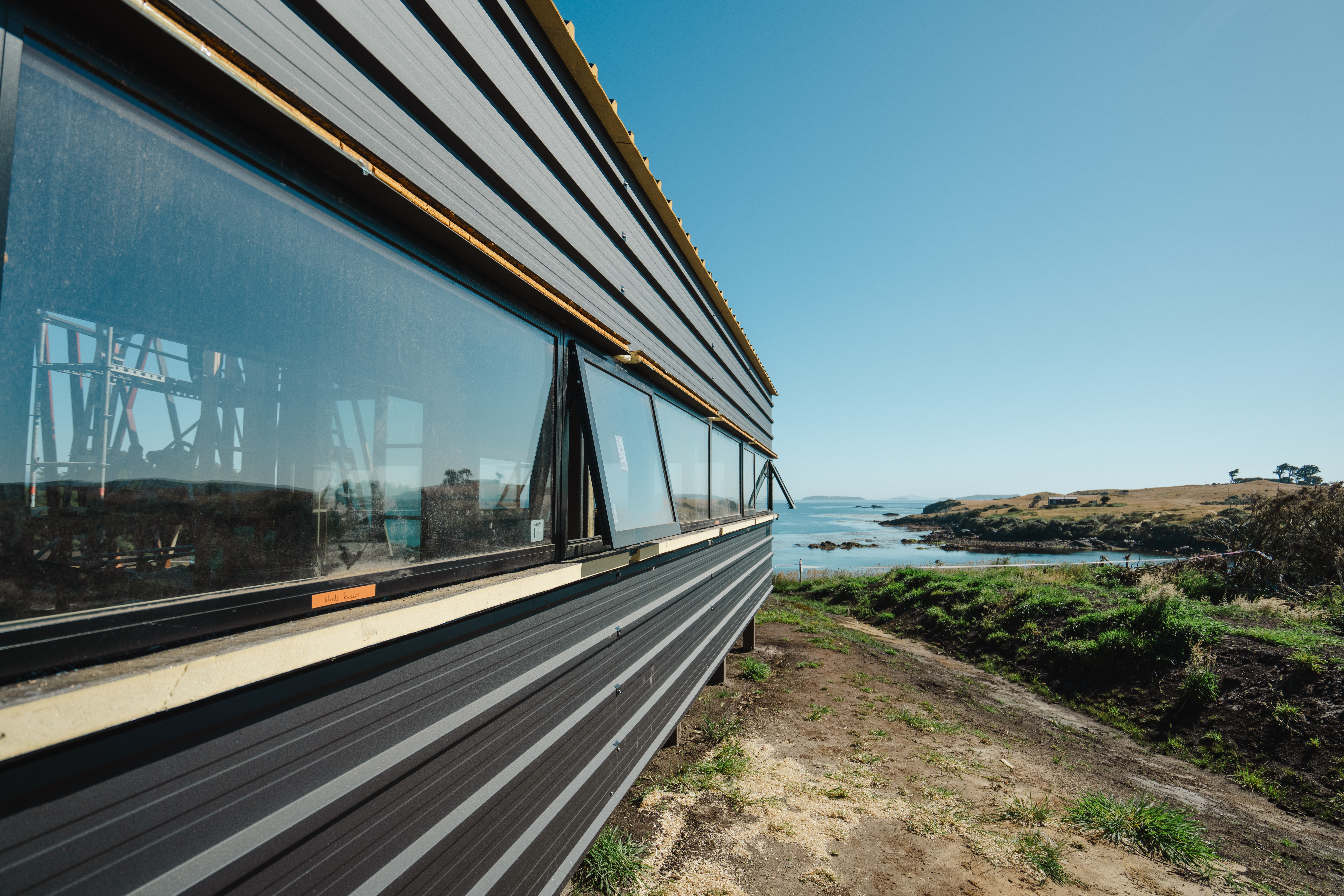
Building a home shouldn't be the hardest thing a whānau ever does. Our process is built to remove the guesswork: clear stages, fixed pricing, and a team that's walked the path before.
— The Te Pūtake way
Every home begins with a New Zealand design framework — culturally grounded, code-compliant, and built for how whānau actually live.
Hybrid international and local manufacturing built to New Zealand specification, improving affordability and delivery without compromising quality.
Local delivery and installation, supporting regional economies and ensuring site-specific excellence on every build.
— The seven steps
You'll always know where things stand and what happens next — from the first conversation to the day you step onto your whenua.
Week 0 · No cost, no obligation
We start with a conversation — about your whenua, your whānau, and what you're trying to build. Whether you're a single family returning home, an iwi trust planning papakāinga, or a developer at scale, this is where we listen first.
A clear sense of whether Te Pūtake is the right partner, and what comes next.
Weeks 1–3
We assess your whenua remotely first, then in person if needed. For papakāinga and Māori land developments, we work alongside the Māori Land Court process and help you navigate landowner consents, trust structures, and dispersed ownership.
A feasibility report and indicative pricing, so you can make an informed decision before committing.
Weeks 3–6
You choose your home from the Te Pūtake range — Kākano (entry), Tipu (whānau), or Rākau (legacy) — and tailor it to your site. Layouts are pre-engineered to NZ code, which is what makes scale possible without sacrificing quality or compliance.
Confirmed plans, finishes, and a fixed-price contract ready for signing.
Weeks 6–14
We manage building consent, resource consent where required, and all engineering documentation. Because our homes are pre-engineered and code-compliant by design, consent timeframes are typically faster than traditional builds.
Consents approved, your home enters the build program.
Weeks 14–22
Your home is built off-site in a controlled factory environment — protected from weather delays, with consistent quality and full traceability. You receive regular progress updates with photos at key milestones.
Your home is complete, inspected, and ready for transport.
Runs parallel to manufacture · Weeks 14–22
While your home is being built, our local team prepares the site — foundations, services, access, and any earthworks. Running these in parallel is how modular building cuts months off traditional construction timelines.
Whenua ready to receive your home.
Week 22–24
Your home is transported to site and installed — typically in a single day for individual homes, with multi-unit papakāinga staged across a programmed schedule. Final connections, quality checks, and a formal handover follow.
Keys in your hand. A home on the whenua.
— Roles & responsibilities
— Funding your build
Most whānau and iwi we work with combine multiple funding sources. We'll help you understand what's available and how to apply.
— How long does it take?
A typical Te Pūtake build runs 5–7 months from contract to handover — compared to 12–18 months for a traditional build of equivalent size.
For papakāinga (multi-home) projects, total programme runs 9–18 months depending on scale and consent complexity, with homes delivered in a staged sequence.
— Why our process works
Your contract price is the price you pay. No mid-build surprises.
Off-site manufacturing means rain doesn't stop your build.
Pre-engineered homes move through council faster than custom builds.
We work within Te Ao Māori — not as a layer, as a foundation.
Every home meets or exceeds New Zealand Building Code requirements.
No subcontractor handoffs, no finger-pointing. We own it from kōrero to keys.
— See it in action
Watch a Te Pūtake home arrive on whenua and the moment of handover — the same journey your whānau can expect.
— Three doorways
From Kākano to Rākau — explore the range.
ExploreIwi & PapakāingaMulti-home on whenuaDevelopments on Māori land.
ExploreWhare BuilderModules, layout & estimateCustomise your home module by module, explore floor plans and indicative pricing, then connect with our team for a kōrero about your whenua and vision.
Explore— Frequently asked
Pricing varies by home tier and site. Our entry-level Te Whare Kākano is priced after site assessment, with Te Whare Tipu and Te Whare Rākau scaling up from there. We provide fixed pricing once feasibility is complete.
Yes. Most of our work is on Māori land. We help navigate landowner consents, trust structures, and Te Puni Kōkiri funding pathways.
Single homes typically run 5–7 months from contract to handover. Papakāinga developments run 9–18 months depending on scale.
We deliver across Aotearoa and select Pacific markets. Talk to us about your location.
Most sites are workable — we assess access as part of feasibility. Difficult sites may need additional craning or staging, which we cost upfront.
Yes. Every home is engineered and built to meet or exceed NZBC requirements, with full code of compliance on handover.
Within the tier you choose, yes — layouts, finishes, and key features. Full custom designs sit outside our standard process.
Whether you're one whānau or planning a 30-home papakāinga, the first conversation is the same — free, no obligation, and grounded in what's actually possible on your whenua.